
Understanding the signs of gambling addiction A guide to recognizing the problem
What is Gambling Addiction?
Gambling addiction, often referred to as compulsive gambling, is a behavioral disorder where individuals become unable to control their urge to gamble, despite the negative consequences it may bring to their lives. This addiction can manifest in various forms, from playing casino games to betting on sports, and can impact personal relationships, finances, and overall well-being. Understanding this addiction is crucial for both those who struggle with it and those who care about them. For instance, many players enjoy the excitement of the game at Pin-Up, but it is vital to recognize when fun becomes a problem.
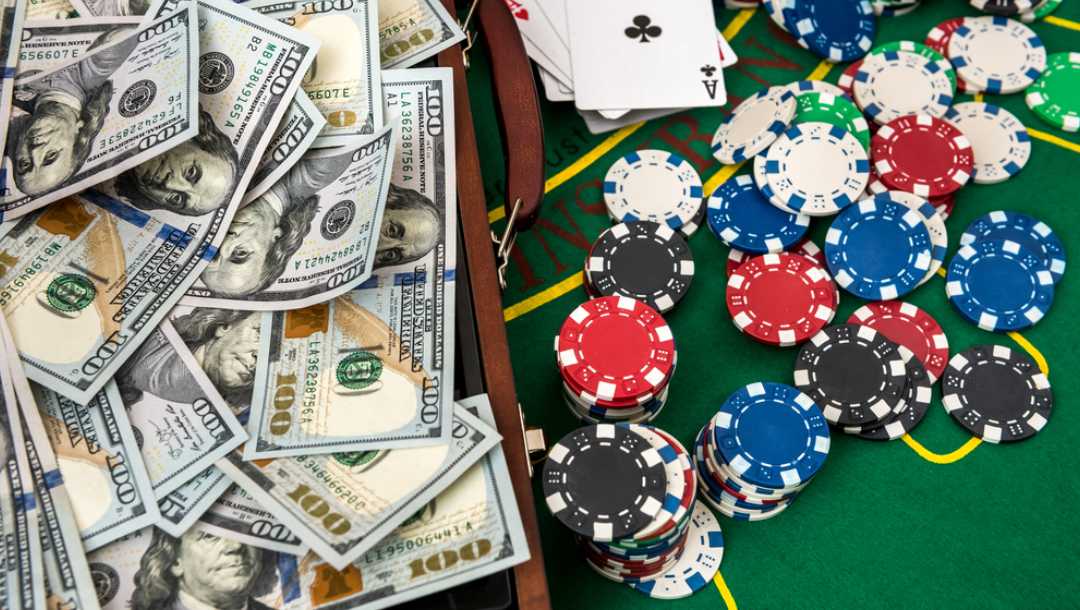
The signs of gambling addiction can vary widely, but many individuals display similar patterns of behavior. The thrill of winning can be intoxicating, leading individuals to chase losses, neglect responsibilities, and prioritize gambling over other aspects of life. Recognizing these behaviors early is vital for intervention and recovery.
Common Signs of Gambling Addiction
One of the most common signs of gambling addiction is an increasing preoccupation with gambling. Individuals may find themselves constantly thinking about their next bet or recalling past wins, leading to a compulsive need to gamble. This obsession can disrupt daily activities, such as work or family commitments, as individuals may prioritize gambling over other obligations.
Another significant sign is the tendency to gamble with increasing amounts of money. Many individuals may start with small bets but gradually escalate to larger wagers, hoping to recoup losses. This behavior can lead to severe financial distress, as the pursuit of wins can overshadow the reality of losses, creating a cycle that is hard to break.
Emotional and Behavioral Changes
Those struggling with gambling addiction often experience emotional fluctuations, including anxiety, depression, and irritability. These emotional changes can be a direct result of gambling losses or the stress of concealing gambling activities from friends and family. As the addiction deepens, individuals may withdraw from social interactions or hobbies that once brought them joy, further isolating themselves.
Furthermore, lying about gambling habits becomes a common trait among those with an addiction. Individuals may feel shame or guilt about their behavior, leading them to hide the extent of their gambling or deny that a problem exists. This dishonesty can erode trust in relationships and create a vicious cycle of isolation and guilt.
The Impact on Relationships
Gambling addiction does not only affect the individual; it often has a profound impact on relationships with family and friends. Loved ones may experience feelings of betrayal, anger, and confusion as they witness the negative consequences of the addiction unfold. Financial issues stemming from gambling can lead to arguments, stress, and in some cases, the breakdown of relationships.
Communication is key in addressing gambling addiction. Families must approach the topic with care and compassion, creating an environment where open dialogue is encouraged. By expressing concerns and offering support, loved ones can help the individual recognize the need for change and seek appropriate help.
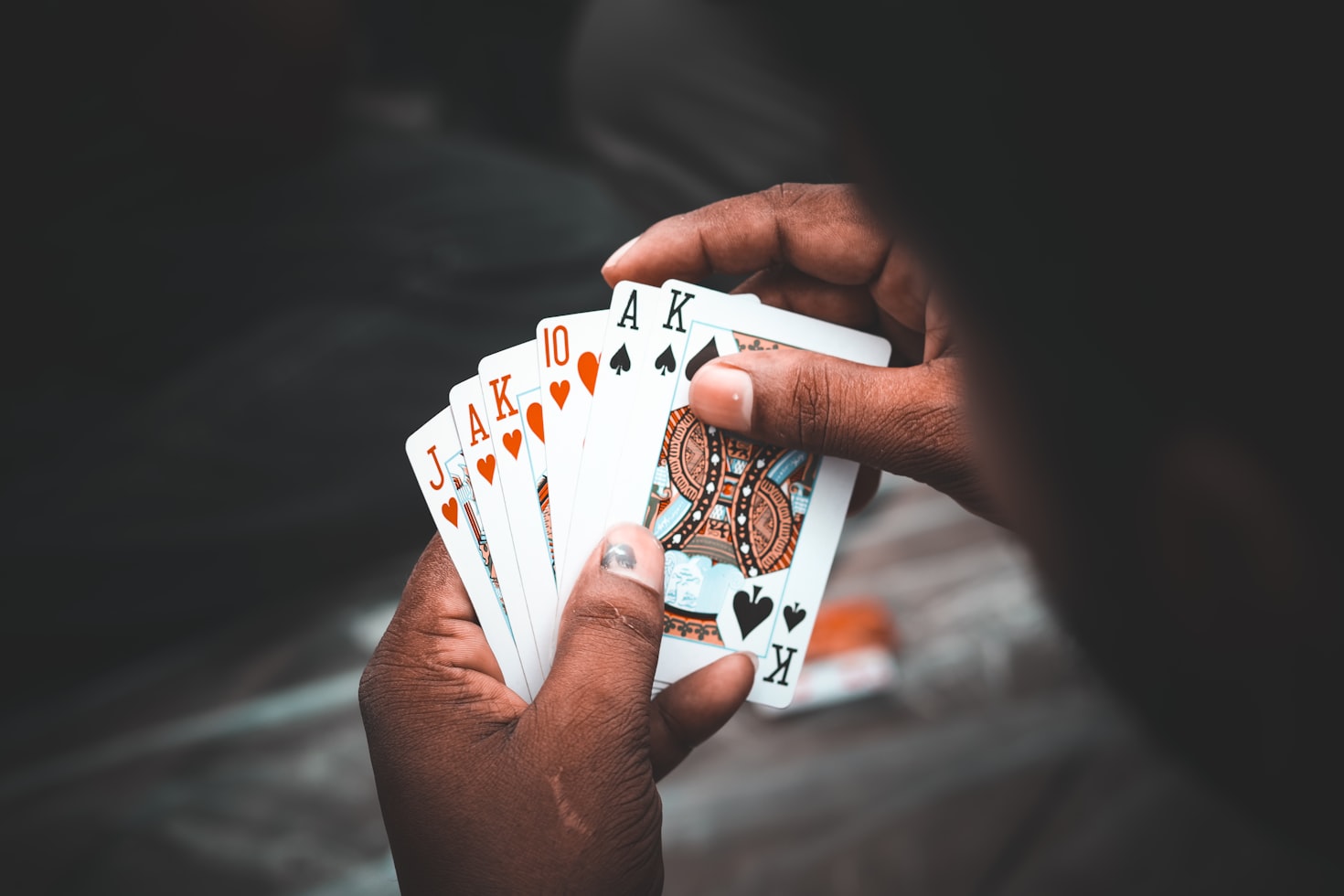
Finding Help and Support
If you or someone you know is struggling with gambling addiction, seeking help is crucial. Professional treatment options are available, including therapy and support groups that provide tools and resources for recovery. Organizations dedicated to gambling addiction can offer valuable insights and support systems to guide individuals through the healing process.
Online platforms, such as Pin-Up, can also promote responsible gaming by offering resources and tools to help players recognize when gambling becomes a problem. These initiatives can aid in creating a safer gaming environment, emphasizing the importance of moderation and self-awareness while enjoying gaming activities.