
People who drink alcohol before sleep are also more likely to experience breathing difficulties at night. They will also experience shorter periods of sleep, resulting in less restful sleep overall. Individuals who have attention deficit hyperactivity disorder (ADHD) are also particularly affected by insomnia. A 2020 study found that people with ADHD are more likely to consume alcohol to treat their insomnia symptoms. Certain medications may cause insomnia as a possible side effect. For example, people may experience steroid-induced insomnia, or antidepressants may worsen or induce sleep disorders.
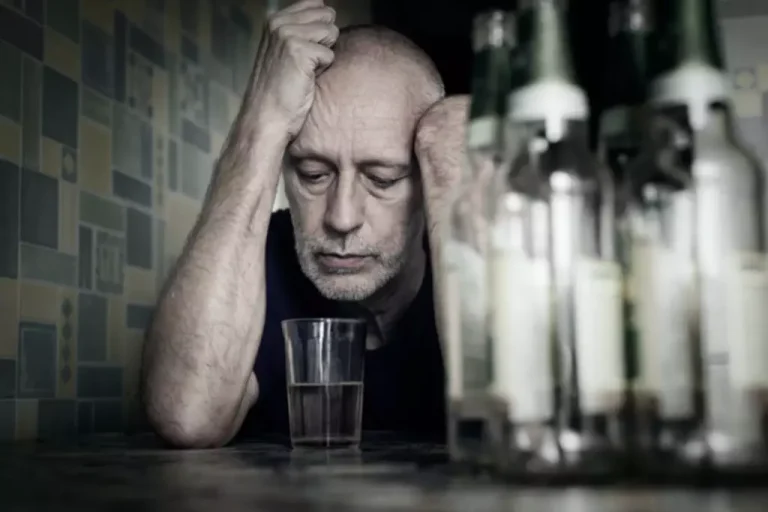
Alcohol Withdrawal and Insomnia
Similarly, as you naturally suspected you were tasting complexity, you wind up trapped in a rest, taking a snare. Mixed drinks that sneak in caffeine, similar to coffee martinis, can send your rest plans into a spiral. Furthermore, don’t allow the sweet creations to trick you; they could taste brilliant, yet they can release bedlam on your rest.
Risk Factors of Insomnia
Late-night drinking can contribute to irregular sleep patterns, making it harder to fall and stay asleep. The sedative properties of alcohol may create a deceptive sense of improved sleep quality, while in reality, it compromises the restorative nature Sober living house of deep sleep. In the short term, individuals may use alcohol to self-medicate for insomnia, perpetuating an unhealthy cycle.
Changing your relationship with alcohol
However, in the second half of a night’s sleep, alcohol diminishes the amount of REM sleep. Alcohol’s negative effects on sleep quality worsen after several nights of drinking. Studies have shown that short-term alcohol use can shorten the time it takes to fall asleep. You find yourself both sleepy and alert — “tired but wired,” as it’s sometimes described.
- REM sleep is the stage in which our bodies process emotions and memories; when we get less of it, our emotions, ability to focus and overall mental well-being lessen.
- Submit your number and receive a free call today from a treatment provider.
- Thus, whenever you’re thinking about that nightcap, consider the characters in question — those high-Alcohol spirits prowling in the shadows and those enticing mixed drinks with stowed-away plans.
- Having a drink or two with dinner or when you’re out with friends is still a big part of our culture in many parts of the world.
2020 research suggests that alcohol impacts the part of sleep known as rapid eye movement (REM). Drinking heavily over time can also disrupt the chemical messengers in the brain, which can affect sleep. People with insomnia may have difficulty falling asleep or keep waking up during the night.
- It’s easy enough to say that we should stop using alcohol as a sleep aid, or that we should consider cutting back on our drinking.
- Eventually, however, they notice that they are tired when they wake up.
- Normal sleep cycles through four stages, which are either considered rapid eye movement (REM) sleep or non-REM sleep.
- On the one hand, we have an entire category of cocktails (nightcaps) that are supposed to lull us into slumber.
- Yet, you might want to reconsider an evening cocktail if you take a closer look at the relationship between alcohol and sleep.
It’s best to cut off drinking alcohol at least four hours before bedtime. This gives your liver time to break down the alcohol and might give your sleep a fighting chance. Alcohol consumption can lead to insomnia, sleep apnea, and a host of other health issues. As a best practice, those who choose to indulge should stop drinking at least four hours before bed. Staying hydrated, eating bland foods, and steeling yourself for a rough night are good does alcohol cause insomnia ideas too. Since alcohol impacts many systems in your body, there are several reasons why alcohol can wake you up in the middle of the night.
Will a small amount of alcohol affect my sleep?
Alcohol is the oldest and still one of the most widely used, mind-altering substances. It is so common and accepted in our culture that you may take it for granted. Yet, you might want to reconsider an evening cocktail if you take a closer look at the relationship between alcohol and sleep. The good news is that there are ways to break free from this https://ecosoberhouse.com/ cycle.
Read on to understand the physiological impact of alcohol on your body, and alcohol’s effect on sleep. When people in America notice they’ve developed issues falling asleep, their first reaction is often to have a drink. This may help many fall asleep on occasion; however, the use of alcohol, even a single serving, will make it more difficult for someone to reach deep sleep, also known as REM sleep. Without deep sleep, our mind and body are unable to do what’s necessary to prepare for the next day.

Answer three questions to understand if it’s a concern you should worry about. An uncomfortable sleep environment can make getting a good night’s rest challenging. Individuals with insomnia have difficulty maintaining a consistent sleep schedule. Experts state that acute insomnia lasts up to a few days to weeks, while chronic insomnia continues for several months.